01. Signature Northwest scenery
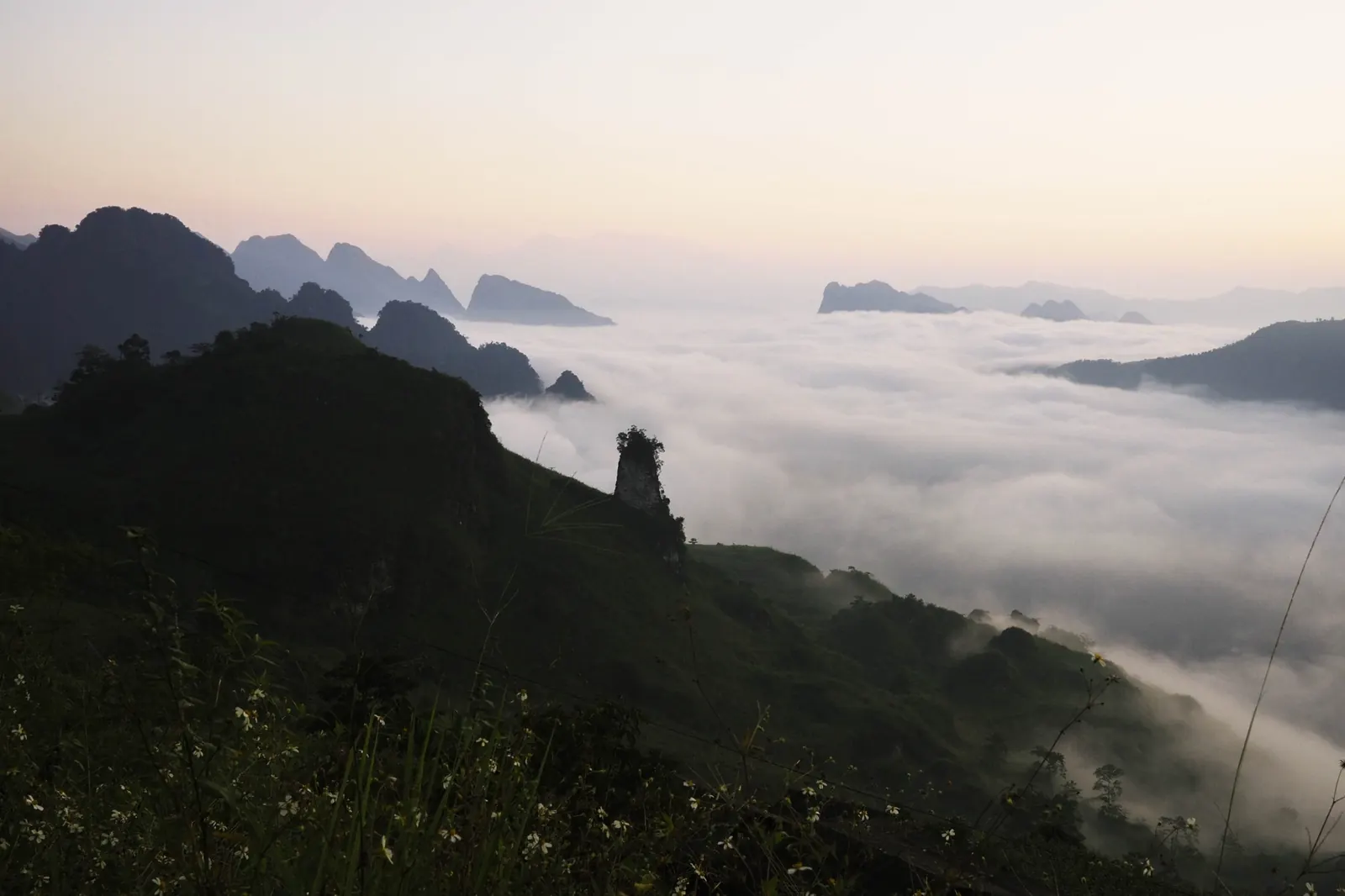
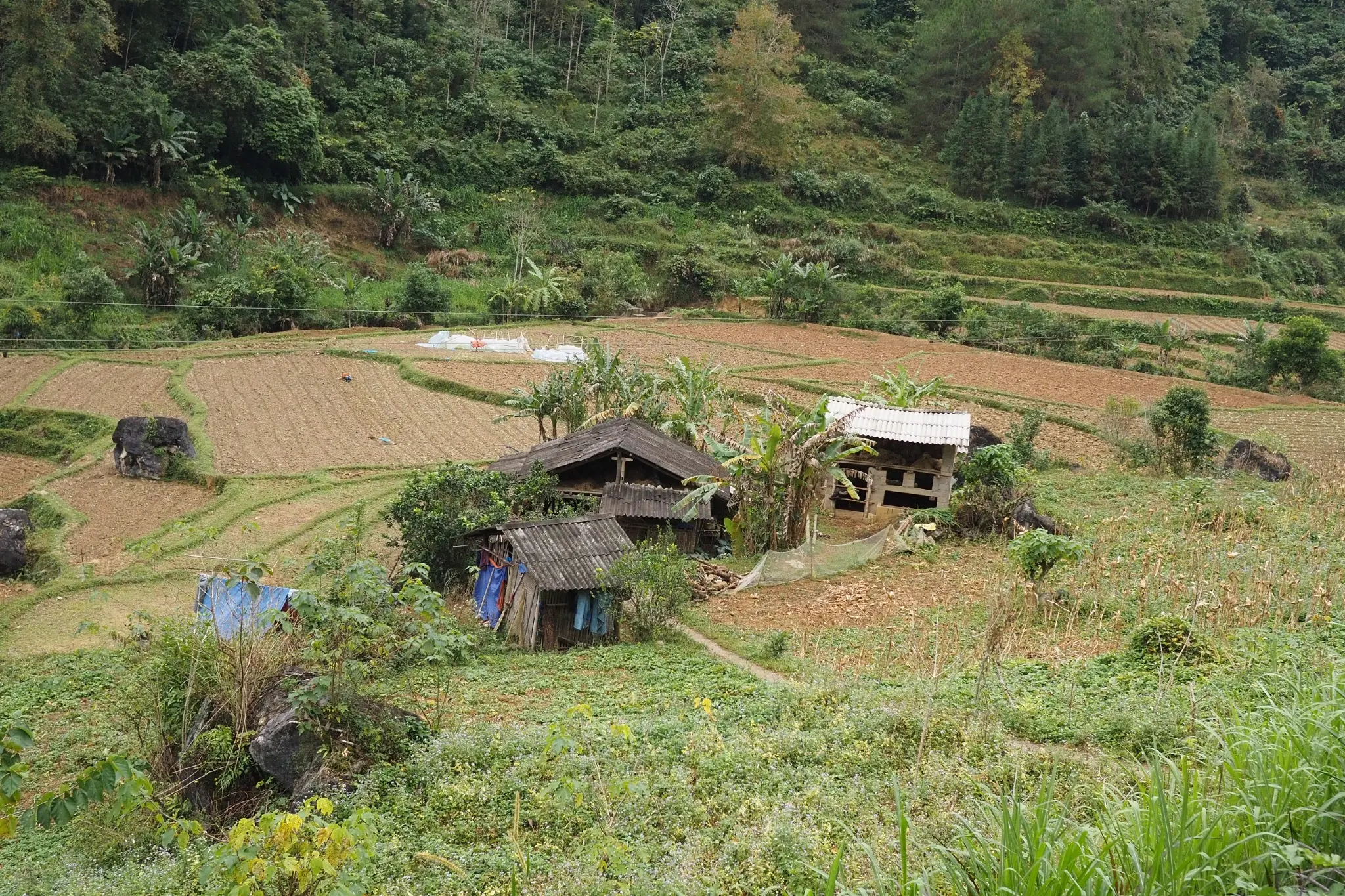
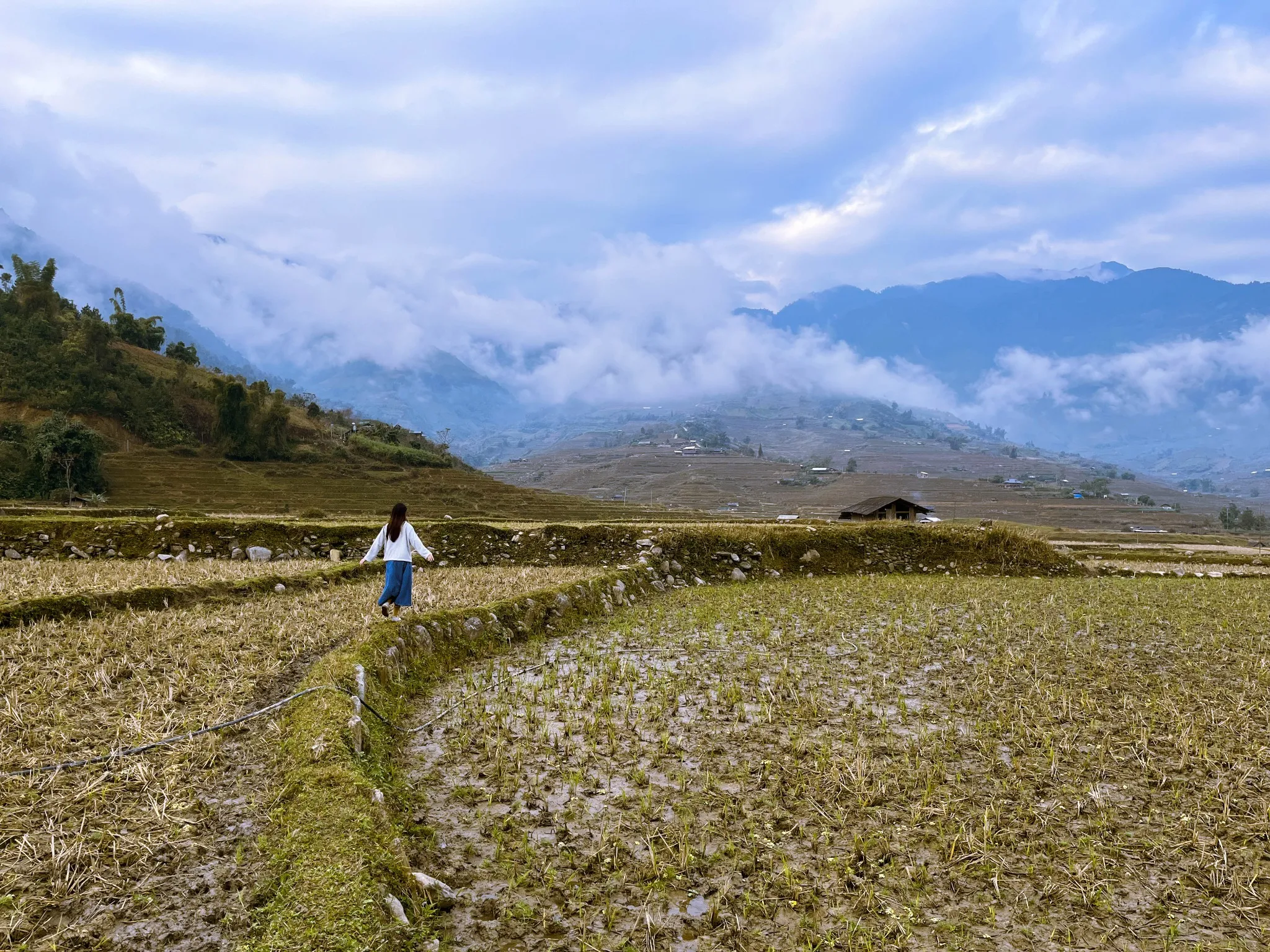
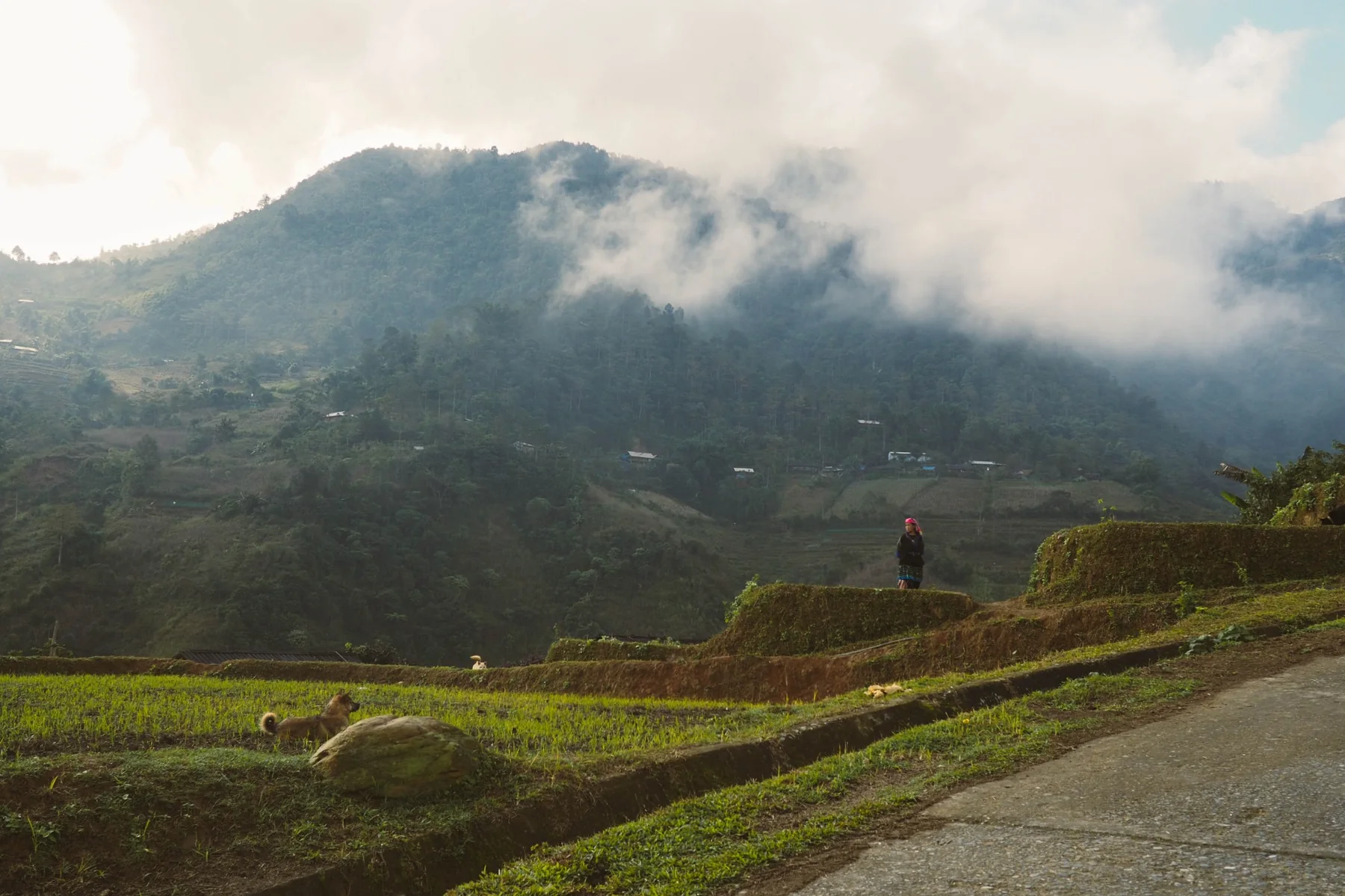
Terraced fields fold around mountains and villages. This is the beauty people picture when they dream about Northwest Vietnam.
A personal field guide
A little adventure. A lot of peace. Terraces, mountain villages, and the signature beauty of Northwest Vietnam.
The Northwest, at its most beautiful
Many sightseeing stops sit around 10–20 km apart, so you can explore without filling every hour. A short distance can still mean a steep or rough road, but there is always time to stop, look around, and enjoy being here.
Terraced fields fold around mountains and villages. This is the beauty people picture when they dream about Northwest Vietnam.
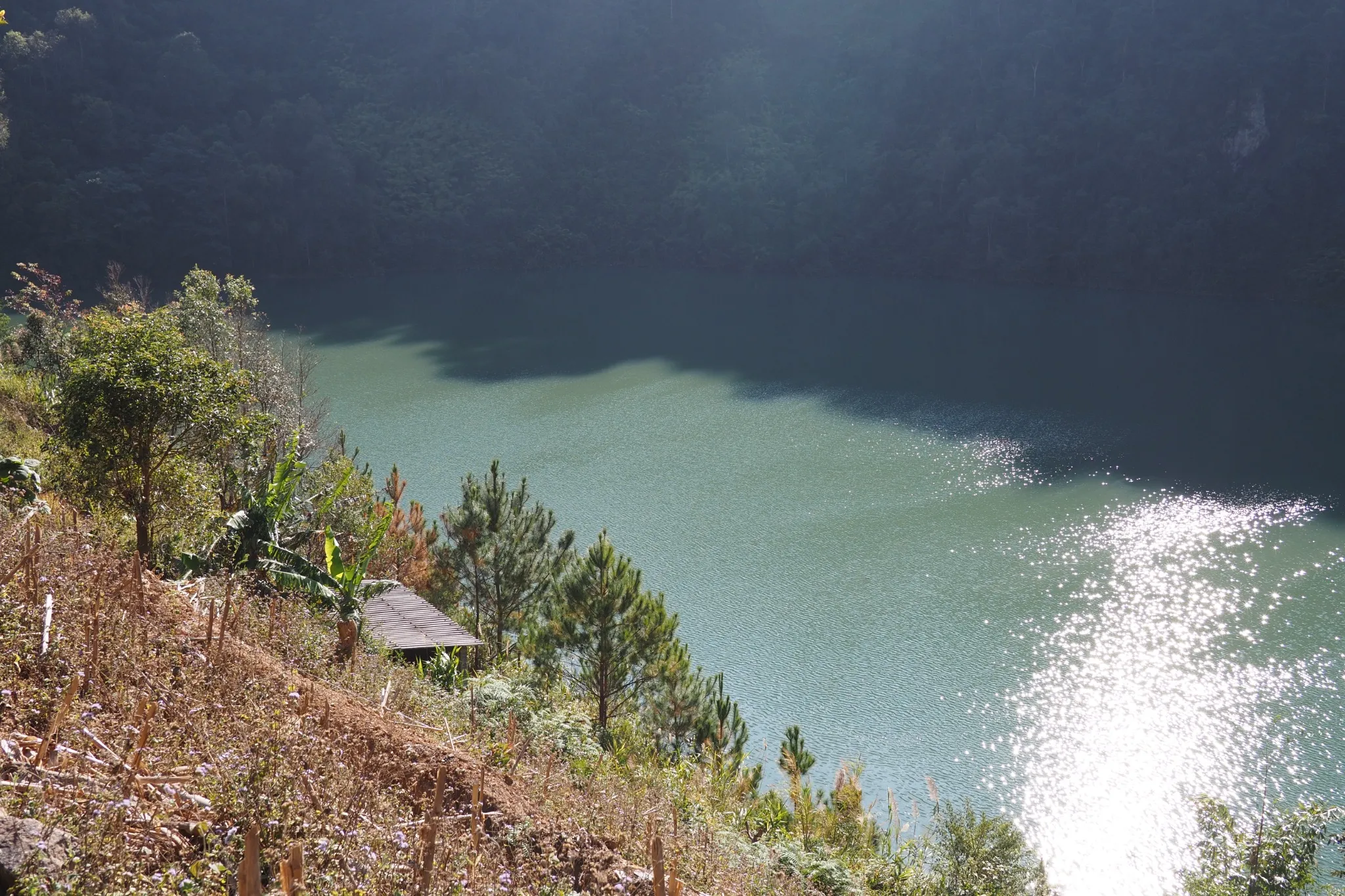
The next view may be only 10–20 km away. Some village roads are difficult, so the journey stays interesting without taking over the whole day.
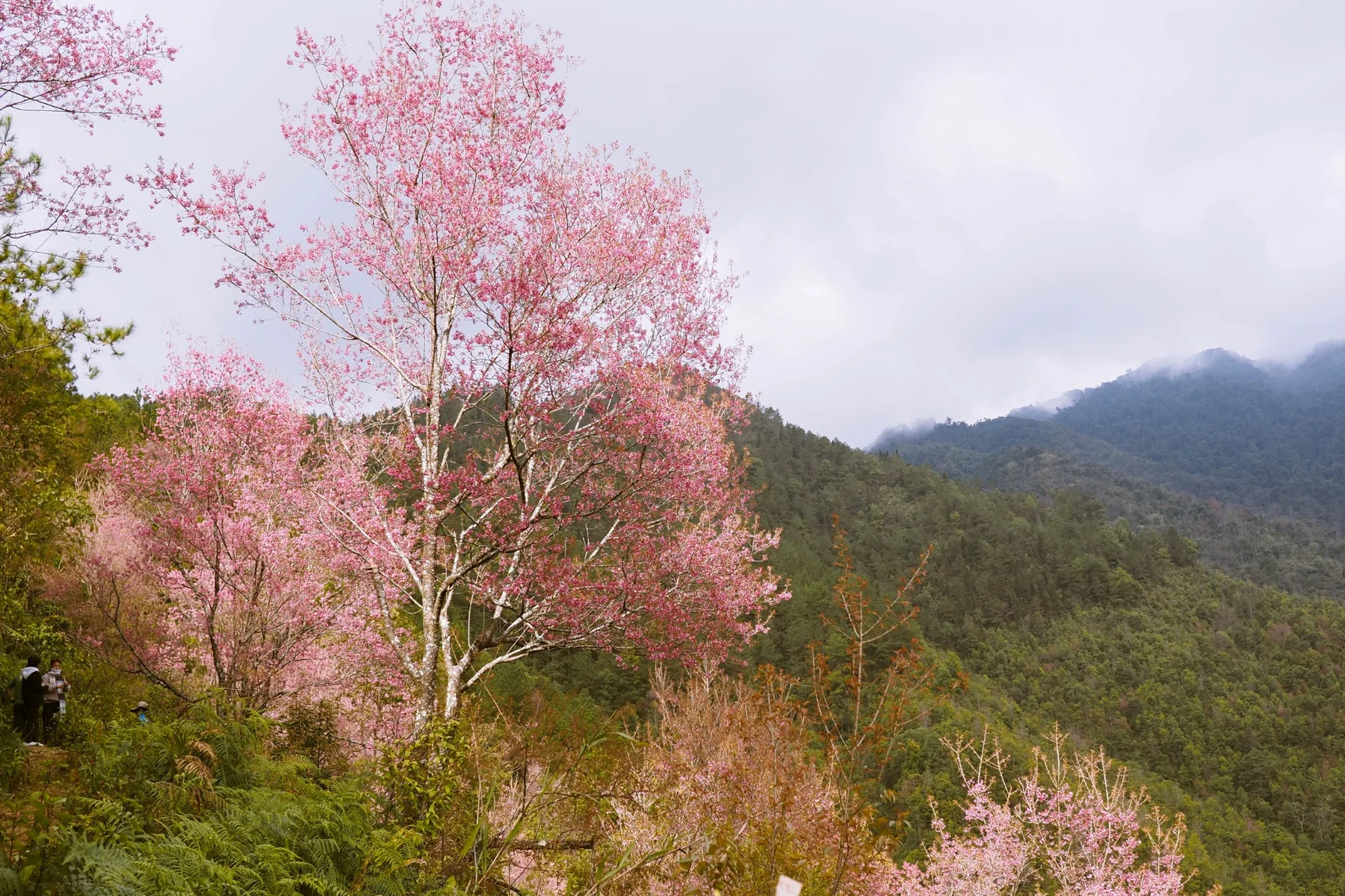
Outside the two peak seasons, Mu Cang Chai becomes very quiet. It can feel like you have the scenery to yourself, even when the fields are not gold and the flowers are not blooming.
Gold in September, flowers from late December, or a quieter landscape outside the peaks.
No long checklist. Open a photograph and read the notes from each place.
Valley
There are very, very many rice fields here, I found it even more than in Mu Cang Chai.
Pass
One of the four great mountain passes in Vietnam, this pass frequently suffers from landslides during every heavy rainy season, so the road still has.
Terraces
This is a place where I accidentally stopped on my way to Lao Chai.
Village
This will definitely be a wonderful spot for viewing ripe rice; from here, you can almost fully admire the thousands of terraces right in front.
Flowers
A commune in Mu Cang Chai famous for its To Day flower-viewing spots.
3 days, 2 nights
Keep the overnight arrival, explore Tu Le first, then move through Khau Pha and Mu Cang Chai before returning to Hanoi.
Hanoi - Tu Le sleeper bus. This bus will go all the way to Lai Chau, you can stop in Nghia Lo, Tu Le or Mu Cang Chai depending on your preference.
To Tu Le
Have breakfast. Try the famous Tú Lệ sticky rice dish if it's the right season for young rice flakes.
Motorbike rentals are available at many shops along Tu Le market, with similar prices; choose whichever one you like. 180k/day (calculated for the day, not 24 hours).
After dropping off our belongings at the homestay, we asked the owner where we should go next.
Follow the small paths uphill, into the villages surrounding Tú Lệ. Don't go all the way to Lùng Cúng; the road is bad and it's far away.
Going to Tiger Mountain. The road is very narrow and slippery, with many dirt sections. Consider this carefully, the view is also...
Having dinner at the homestay.
We'll just have to entertain ourselves because there aren't many activities here in the evening.
Have breakfast
On the way to Mu Cang Chai, we crossed the Khau Pha Pass. We stopped at the top of the pass to admire the view.
Lunch in town
Check in at the homestay. Ask the homestay owner where we should go next.
Go up to Mo De to see the flowers. The last 3km are extremely bad; you need a local to drive you through them.
Wandering around aimlessly. Still have time to spare, so head straight down to Kim Noi.
Dinner in town
Have breakfast
When going to Lao Chai, stop at the incredibly beautiful Khau Mang Thuong hydroelectric power plant.
Lunch, check out
Take a bus back to Hanoi.
Back in Hanoi
Mu Cang Chai changes fast between rice terraces, flower season, fog, and landslides. Keep the route loose and chase the best light, not every pin on the map.
Reach Mu Cang Chai by road, then choose between self-driving and a local easy driver for the mountain routes.

Limousine
This is a type of vehicle that seats 9 - 10 people per car, featuring quite comfortable reclining seats. People can search for carpooling information on Facebook groups, or if a group of friends has enough people, they can rent an entire car to take control of their schedule. This is probably the most comfortable choice if you want to travel to Mu Cang Chai.
9 - 10 seats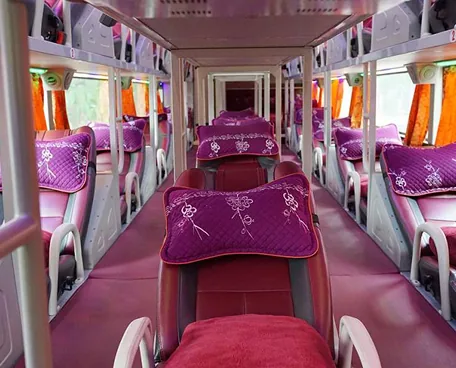
Not very VIP
More rows, each berth around 60–80cm — snug but manageable. Has a curtain.
Heads up: they are just regular bus and nothing near tourist standard, often oversell during Vietnamese holidays. Solo female travelers, book the upper floor — you'll thank yourself later.
Economy
Because this is a standard passenger bus type, mostly unregistered/illegal buses, its operation is very messy. Even if you call ahead to reserve a spot, getting a sleeper bed when boarding is a matter of luck, especially during peak seasons like the ripe rice season. If the bus is empty, there is a high chance you will end up lying down next to a bunch of shipped goods, and the travel time will also be extended by another 2 - 3 hours because the bus is busy loading and unloading items.
3 rows, 2 floorsRental shops are available around Tu Le. Confirm the rate, return time and bike condition before leaving. Choose this only if you are confident on steep, narrow or muddy roads.
600,000 VND per rider · full day
An easy driver is a local motorbike driver. You ride as their passenger.
The full-day price includes the driver, motorbike, and fuel. Your driver stays with you through the day and finishes before 6 PM.
For these difficult mountain roads, I think the price is very reasonable.
You can also hire a driver for only one or two places. Those routes have fixed prices, so agree on the stops and total before leaving.
For a full day together, please treat your driver to lunch.
Live conditions for Mu Cang Chai, Tu Le and Lung Cung, beside the seasonal notes.

—
Loading weather
—
Loading weather
—
Loading weather
All 18 photographs from Mu Cang Chai.